

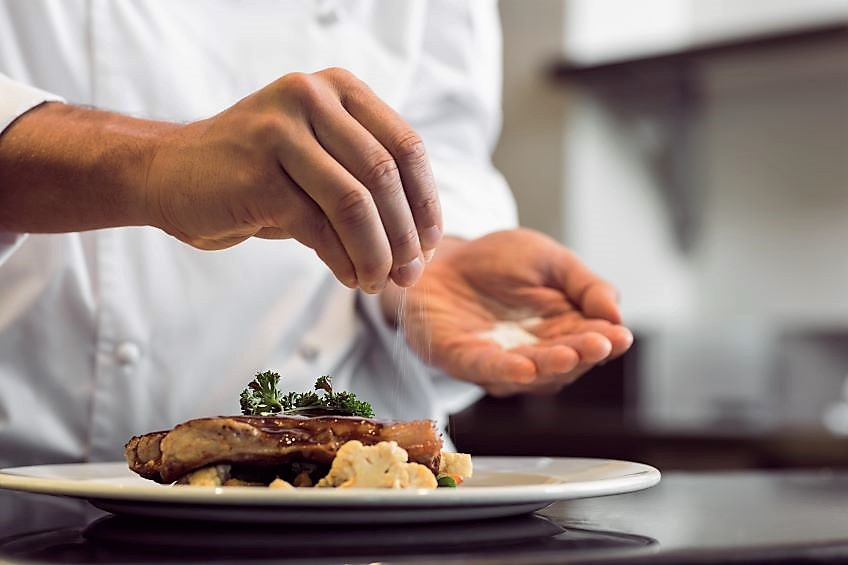
From misunderstood to mainstream: How MSG is powering the 2026 umami trend
–Food Dive, January 12, 2026
Excerpts from this article:
Umami, also known as the fifth taste, is the key to taste and enjoyment of savory foods. Many foods and ingredients contain natural glutamate that provides umami taste to mushrooms, tomatoes, cheeses, and more.
“Today, as global cuisines become more accessible and social platforms make restaurant-style cooking feel more within reach, umami is stepping into the spotlight as one of the defining tastes influencing how Americans cook and eat.
 In that shift, MSG (monosodium glutamate) is re-emerging as a simple, science-backed ingredient that helps deliver the savory depth now fueling 2026’s biggest taste trend.”
“’Umami as a concept has been around for generations,’ said Dr. Tia Rains, Vice President of Science, Innovation & Corporate Affairs at Ajinomoto Health & Nutrition North America. ‘But the groundswell of consumer interest is relatively new. As people embrace umami-rich foods, they’re also embracing the ingredients that help bring that taste forward.’”
This growth in interest is thanks to recipe creators on popular online platforms, digital communities focused on food, and the influence of global restaurants.
“At its simplest, Rains describes MSG as ‘umami seasoning.’ Glutamate, whether naturally occurring or added through MSG, binds to taste receptors that cue savory taste. In practice, MSG functions as a pure umami seasoning—much like table salt delivers salty taste and sugar delivers sweetness.”
“’MSG is the purest form of umami,’ she explained. ‘It adds complexity and richness to foods without compromising their original flavor profile.’”
MSG can also act as a powerful sodium-reduction tool, since it contains 2/3 less sodium than table salt. By replacing some salt with MSG, recipe and product developers can reduce overall sodium but maintain (or enhance) the savory taste of those dishes.
“Chefs are now openly highlighting MSG on menus. Cookbook authors and food creators are using it proudly in recipes. And registered dietitians—often at the center of conversations around sodium reduction—are recommending MSG as a helpful tool for maintaining taste while lowering sodium intake.”
“’MSG is being proudly used again,’ Rains said. ‘We’re seeing more chefs, more influencers, and more product developers talk about it openly because the science is solid and the benefits are real.’”
Related Reading: